

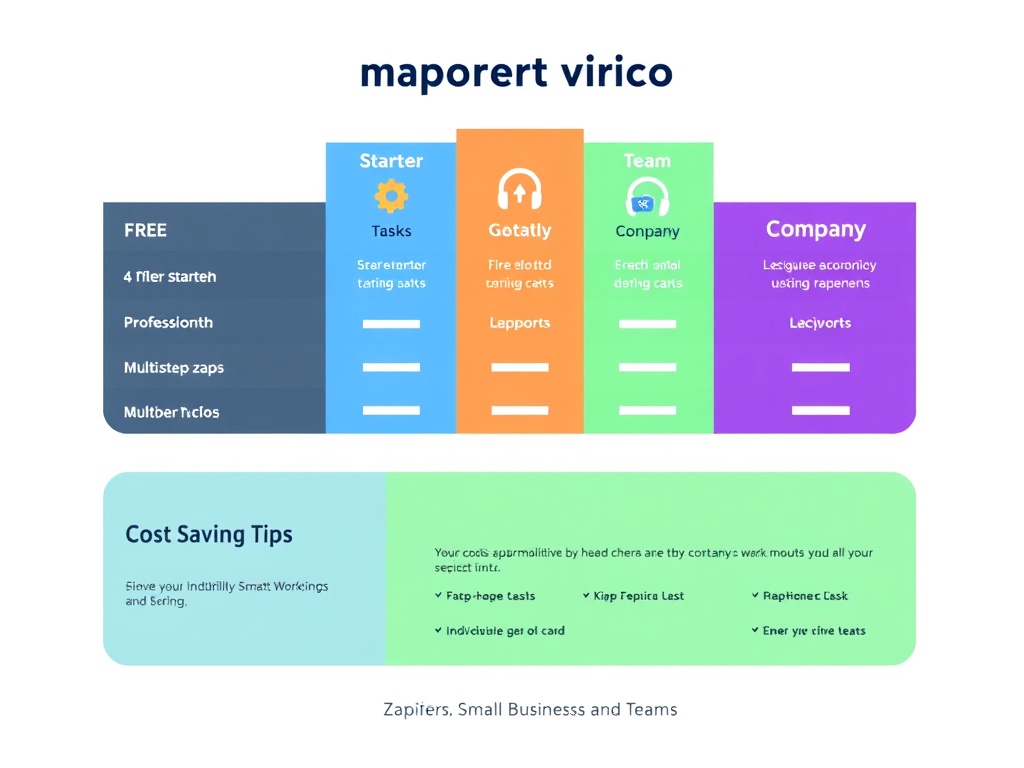
Zapier pricing is a critical consideration for businesses and individuals seeking to automate workflows efficiently without overspending. With multiple plans tailored to different needs, understanding each tier’s cost and benefits is essential to selecting the right fit. This guide explains Zapier’s pricing in detail, helping you navigate the options and understand the value propositions.
Many users struggle to decipher task limits and the cost implications of scaling automation. This guide delivers clarity by breaking down each plan, its features, and strategies for optimizing spend based on usage scenarios.
What Is Zapier Pricing
Zapier pricing refers to the cost structure associated with using Zapier’s automation platform, which allows users to connect different apps and automate workflows. Pricing is typically based on the number of tasks performed each month and the plan features available. Detailed pricing information is accessible through resources like the Zapier pricing overview, which explains the various tiers and what each offers.
Why Zapier Pricing Matters in 2026
In 2025, the demand for automation tools like Zapier continues to grow, with businesses automating 35% more repetitive tasks year-over-year according to industry data. This trend makes understanding Zapier pricing crucial for budget planning and maximizing return on investment.
Choosing the right plan ensures workflows run smoothly without unexpected costs, especially given Zapier’s tiered task limits and feature sets. For detailed cost comparisons and plan insights, see our analysis at Zapier cost comparison for small businesses.
How To Understand Zapier Pricing — Step by Step
Step 1 — Identify Your Automation Needs
Start by evaluating how many tasks you expect to run monthly and which features you require. This clarity helps narrow down which Zapier plan fits your usage.
Step 2 — Compare Plan Options
Review the task limits and feature differences between Free, Starter, Professional, Team, and Company plans to match your needs.
Step 3 — Calculate Potential Overages
Understand Zapier team plan tasks limit and cost of exceeding task quotas, especially if your usage varies or grows.
Step 4 — Consider Billing Cycles and Payment Options
Check monthly versus annual billing for discounts and how billing aligns with your budget cycles.
Step 5 — Explore Cost-Saving Strategies
Leverage automation efficiency tips and possibly downgrade plans when usage is low to optimize spending.
Best Practices and Pro Tips
Regularly monitor your task usage to avoid unexpected charges. Use Zapier’s built-in usage dashboards for real-time insights.
Choose plans not just by current needs but by potential growth, especially if leveraging advanced features like webhooks found in the OpenClaw AI use case examples.
Take advantage of annual billing options for savings when possible, as this can reduce costs by up to 20% in some cases.
Common Mistakes to Avoid
One frequent error is underestimating task volume, which leads to surprise charges. Make sure to account for all automated workflows.
Another mistake is not fully understanding the differences in Zapier team plan tasks limit and professional plan webhook pricing, which can make some plans seem more attractive but costlier in practice. Refer to detailed user reviews such as the comprehensive Zapier review on Hackceleration for in-depth insights.
Frequently Asked Questions
What is included in Zapier’s free plan?
Zapier’s free plan includes limited tasks per month with access to basic automation features, ideal for individual users starting out.
How does Zapier charge for tasks exceeding the plan limit?
If you exceed your monthly task quota, Zapier typically charges overage fees based on the number of additional tasks performed, which vary by plan.
What is the Zapier team plan tasks limit?
The Zapier team plan tasks limit depends on the number of team members and plan tier, allowing higher task volumes suitable for collaborative environments.
Are webhooks included in the professional plan?
Yes, webhooks are included in the professional plan but may have specific pricing depending on the usage and number of webhook tasks.
How can small businesses save money with Zapier pricing?
Small businesses can save by monitoring automation task usage closely, choosing plans that fit their workflow scale, and leveraging annual payment discounts. Refer to our cost comparison for small businesses for tailored insights.
What are the long-tail costs involved in Zapier pricing for growing enterprises?
Long-tail costs for growing enterprises include overage task fees, feature upgrades, and possible plan shifts as workflows become more complex. Planning ahead can mitigate unexpected expenses.
Conclusion
Understanding Zapier pricing is vital for businesses aiming to optimize workflow automation without overspending. This guide highlighted key plans, task limits, and cost-saving tactics to help you choose wisely.
For more comprehensive strategies on workflow automation and related tools, explore our vector databases guide to enhance your technology stack.

