


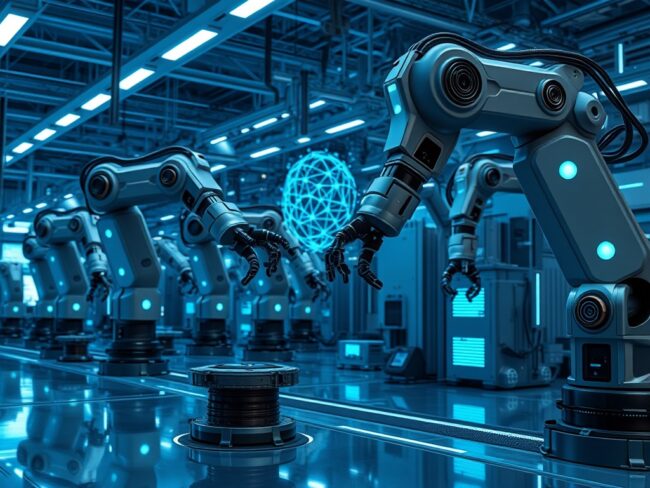
AI robotics is reshaping today’s automation landscape, dramatically enhancing efficiency and capabilities across industries. As AI robotics technology evolves, businesses face the challenge of understanding how to implement these sophisticated systems effectively. This comprehensive guide delivers insights into the transformative power of AI robotics and explains how to leverage this cutting-edge technology for automation success.
From manufacturing floors to healthcare facilities, AI robotics is driving innovations that optimize workflows and unlock new possibilities. Whether you are a tech enthusiast or a business professional, this guide will equip you with a clear understanding of AI robotics and its practical applications.
What Is AI Robotics
AI robotics is the integration of artificial intelligence (AI) technologies with robotics to create intelligent machines capable of performing complex tasks autonomously or with minimal human intervention. These systems combine robotics technology with machine learning, computer vision, natural language processing, and other AI disciplines to enhance robot perception, decision-making, and adaptability. For beginners, think of AI robotics as smart robots that learn from their environment and improve their performance over time. To explore the technical foundations further, Siemens provides detailed insights into automation engineering with AI.
Why AI Robotics Matters in 2026
In 2025, AI robotics is projected to become a cornerstone of industrial and commercial automation. According to industry reports, the global AI robotics market is expected to grow at a compound annual growth rate (CAGR) of over 28%, reaching new heights in both innovation and adoption. This rapid growth underscores the importance of understanding AI robotics for future-ready businesses.
AI robotics enhances operational efficiency by performing repetitive and hazardous tasks with greater precision and consistency than humans. This advancement helps organizations reduce costs, improve safety, and increase productivity. For example, AI robotics is integral in sectors like healthcare and customer support, as seen in applications discussed in AI customer support automation.
How To Implement AI Robotics — Step by Step
Step 1 — Assess Your Automation Needs
Begin by identifying processes in your organization that can benefit from automation with AI robotics. Focus on repetitive, time-consuming, or high-risk tasks where AI robotics can add value.
Step 2 — Research AI Robotics Solutions
Explore the range of available AI robotics technologies, platforms, and vendors. Consider factors such as adaptability, integration capabilities, and the specific AI disciplines involved.
Step 3 — Develop a Pilot Project
Create a small-scale pilot to test the AI robotics system in a controlled environment. This phase allows you to evaluate performance and identify potential challenges before full deployment.
Step 4 — Train Your Team
Ensure your staff are trained to operate and maintain AI robotics systems. Training should cover both technical aspects and ethical considerations related to AI deployment.
Step 5 — Deploy and Monitor
Roll out the AI robotics system across your operations and continuously monitor its performance. Use analytics to optimize and scale your automation efforts effectively.
Best Practices and Pro Tips
Start with a clear automation strategy aligned with your business goals to maximize the impact of AI robotics. Consider the ethical implications of AI use, such as transparency and bias mitigation, to foster trust and compliance.
Integrate AI robotics with other emerging technologies like IoT and machine learning for enhanced functionality. This integration is well-explained in articles about MEM AI technology reviews.
Maintain ongoing training and upgrades to keep your AI robotics systems current with the latest advancements. Foster a culture of innovation that encourages employee feedback and continuous improvement.
Common Mistakes to Avoid
Avoid underestimating the complexity of integrating AI robotics into existing workflows, which can lead to costly delays and disruptions. Neglecting ethical considerations, such as privacy and job displacement, can harm your organization’s reputation and compliance.
Failing to plan for scalable solutions often results in systems that cannot meet growing demand or adapt to new challenges. For an overview of ethical AI and robotics challenges, the healthcare AI robotics applications article offers valuable insights.
Frequently Asked Questions
What industries benefit most from AI robotics?
Industries such as manufacturing, healthcare, logistics, and customer service benefit significantly from AI robotics due to their need for automation of repetitive and complex tasks.
How does artificial intelligence enhance robotics technology?
Artificial intelligence improves robotics by enabling machines to learn from data, recognize patterns, make decisions, and adapt to dynamic environments, resulting in smarter and more autonomous robots.
What are the biggest challenges in implementing AI robotics?
Challenges include high integration costs, data management complexities, ensuring ethical AI use, and training staff to work collaboratively with advanced robotics.
Can AI robotics replace human jobs entirely?
AI robotics can automate many tasks, but they are most effective when complementing human workers rather than replacing them entirely, enabling people to focus on higher-value activities.
What are advanced use cases of AI robotics in automation?
Advanced use cases of AI robotics include predictive maintenance, adaptive manufacturing, and intelligent healthcare assistance systems that improve operational efficiency and decision-making.
Conclusion
AI robotics is transforming automation by blending artificial intelligence and robotics technology to create smarter, more efficient systems. Understanding how to implement and optimize these technologies is essential for staying competitive in 2025 and beyond. Explore more on this transformative technology by visiting our OpenClaw AI use cases article and stay ahead in the automation revolution.